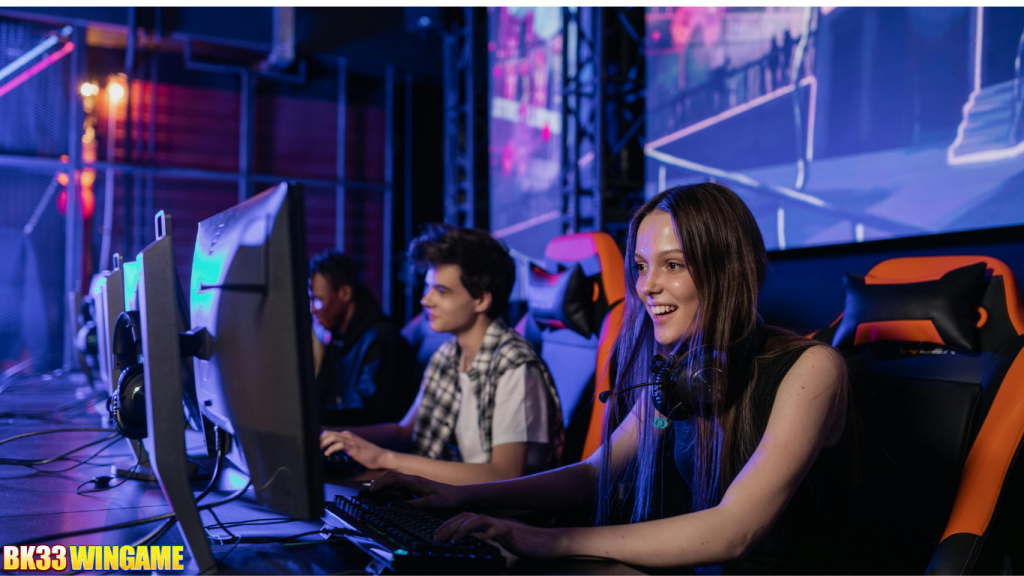
Competitive gaming has rapidly gained attention among students, teachers, and parents across the country. E-Sports in Bangladesh Schools reflects a shift in how digital games are viewed, moving from casual entertainment to organized competition that builds real-world skills. Students now participate in structured matches, team-based events, and online tournaments that promote focus, coordination, and collaboration. Schools are beginning to understand that competitive gaming can complement learning when managed responsibly.
Digital platforms have supported this movement by offering organized environments where students can compete fairly. Among them, BK33 has contributed by creating accessible tournaments, ranking systems, and community-driven features designed for young players.
Why Competitive Gaming Is Expanding in Schools
Several key factors explain why competitive gaming is becoming common in Bangladeshi educational institutions. Access to smartphones and affordable internet has made multiplayer games easy to play. Students are also influenced by international tournaments streamed online, which showcase gaming as a serious competitive field.
Educators increasingly recognize that structured gameplay develops analytical thinking, communication, and teamwork. Multiplayer formats encourage collaboration, while competitive settings motivate students to improve performance. Organized platforms such as BK33 further strengthen this trend by offering scheduled events and clear rules, which make gaming more disciplined and goal-oriented.
Games Popular Among School Players
Students in Bangladesh prefer games that balance competition with accessibility. Battle royale games attract attention due to their strategic depth and team coordination. Shorter match formats also appeal to students with limited free time.
Strategy-based multiplayer games encourage planning and communication, making them suitable for organized play. Casual digital board games remain popular as well, especially during school breaks and after classes. These games allow friendly competition without intense pressure, helping maintain balance between gaming and academics.
Educational and Skill-Based Benefits
Competitive gaming in schools provides more than entertainment. Team-based games teach cooperation and leadership, while fast-paced matches improve decision-making and reflexes. Students also gain digital literacy by learning how online platforms, rankings, and virtual events function.
Achievement systems and visible progress boost confidence and motivation. Structured platforms like BK33 support these benefits by offering performance tracking and fair competition. When gaming is guided properly, students can develop discipline, patience, and strategic awareness alongside enjoyment.
Platform Support for Student Competitions
Online platforms play a critical role in shaping student gaming culture. BK33 has emerged as a centralized space where school-aged players can join organized tournaments, track rankings, and interact with peers. Clear guidelines, transparent scoring, and age-appropriate events help maintain fairness.
Community features encourage students to form teams, share strategies, and learn from each other. Reward systems based on skill rather than spending further promote responsible participation. These tools create a structured environment that aligns with educational values.
Addressing Challenges in School Gaming
Despite its growth, competitive gaming faces challenges. Time management remains a concern, as excessive play can affect academic performance. Some families also worry about screen time and health issues such as eye strain or poor posture.
Financial limitations may restrict access to devices for some students. Platforms like BK33 help reduce these barriers by offering mobile-friendly access and low-cost participation options. Structured schedules and responsible gaming tools encourage moderation and balance.
Cultural Influence of E-Sports on Students
Competitive gaming has begun to influence school culture in meaningful ways. Students form gaming clubs, organize inter-school matches, and develop a sense of team identity. Leadership skills often emerge as players coordinate strategies and manage teams.
Recognition through organized events gives students confidence and peer respect. E-Sports in Bangladesh Schools has become a platform for talent recognition, helping students understand that gaming success comes from discipline, practice, and teamwork rather than chance alone.
Preparing Students for Structured Competition
Schools and digital platforms can work together to guide students toward healthy competitive habits. Providing access to basic resources, organizing rule-based events, and encouraging skill development are essential steps. Emphasizing fair play and academic balance ensures long-term benefits.
In E-Sports in Bangladesh Schools, platforms such as BK33 support this preparation by offering organized tournaments, clear rankings, and responsible play guidelines. These features help students develop competitive skills while maintaining educational priorities.
Conclusion
The rise of organized gaming highlights a changing perspective on digital competition in education. E-Sports in Bangladesh Schools demonstrates how structured gameplay can support teamwork, strategic thinking, and digital skills when guided responsibly. Students benefit from fair competition, community engagement, and clear goals.
Platforms like BK33 continue to shape this ecosystem by offering accessible tournaments and performance-based rewards. With proper balance, competitive gaming can remain a positive and sustainable part of school life in Bangladesh, supporting both personal growth and academic success.
Other Posts

BK33 Win Game – Best Bangladesh Online Casino & Sports Betting App

BK33 Bangladesh 2026 – Best Online Betting & Sports Betting Platform in Bangladesh

BK33 Win Game Bangladesh – Trusted BK33 Betting Platform for Casino & Sports Lovers